Most visitors do this coast backwards: Jiufen at peak crush, then a rushed glance at everything else from a bus window. Flip the order and the same day becomes spacious. Here is the plan, from Taipei and back, or better, to a Jiufen guesthouse.
08:00, Out of Taipei, up the mountain
Train from Taipei Main to Ruifang (40-50 min; sit on the right for river views), then bus 788 or 827 from the station stop uphill. Ride past Jiufen's lanes, admire the queue forming, feel nothing, and get off at the Jinguashi Gold Museum terminus around 09:30, just as the district opens and the valley still belongs to schoolkids and cats.
09:30, The Gold Museum, helmet first
Do the Benshan Fifth Tunnel first (timed entries, helmet issued): a few hundred damp metres of real mine with sound-staged miners at work. Then the main hall for the famous 220 kg gold brick, hands go through a slot, everyone strains, the brick wins. Save the Japanese-era Four Joined Dormitories and the Crown Prince Chalet for the stroll back. Two hours covers it well.
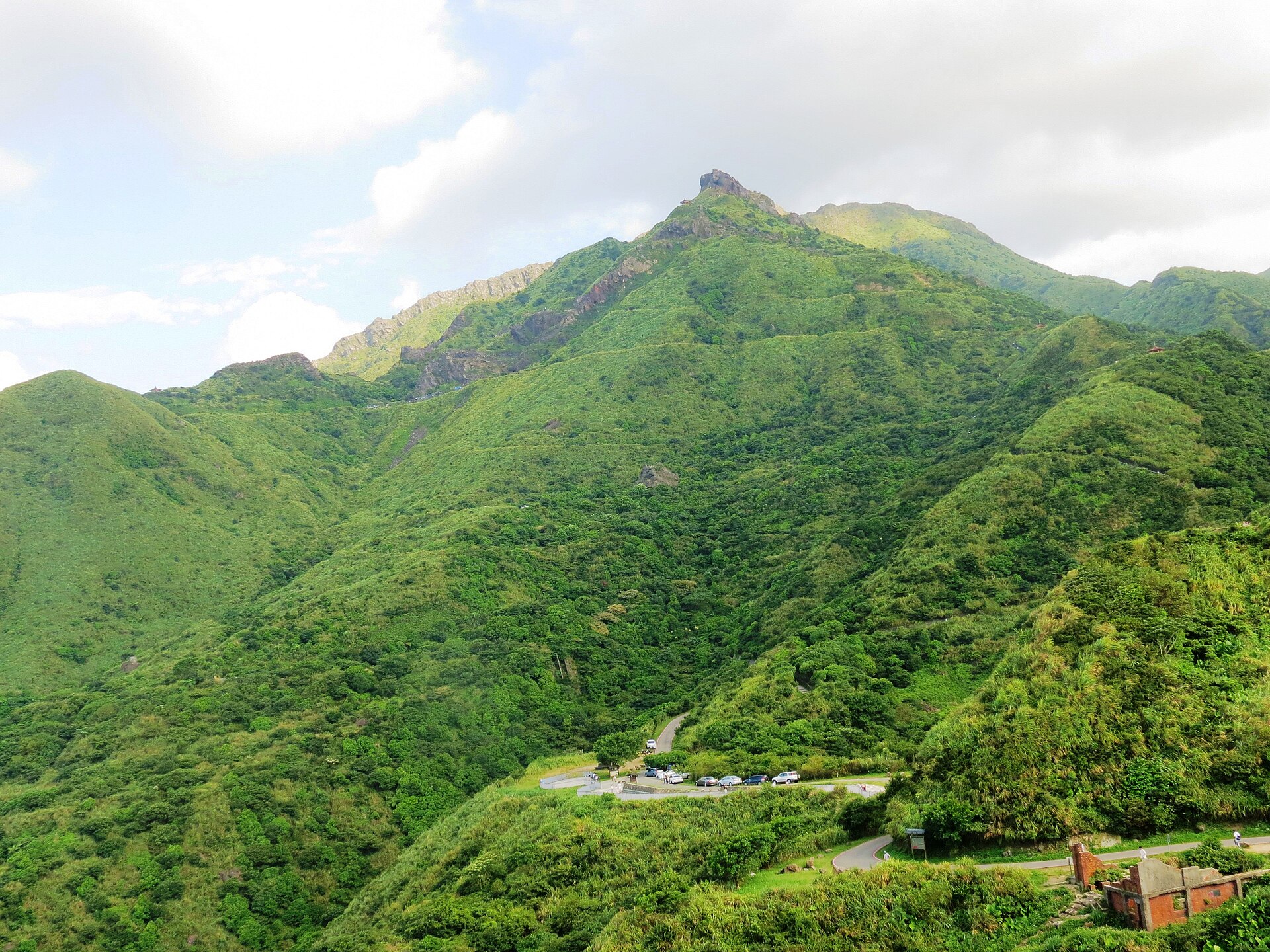
11:30, Teapot Mountain: lunch on the spout
From the museum's upper gate, the Teapot Mountain trail climbs in stone flights, steady, exposed, about an hour to the crag. The reward works in layers: the Ōgon Shrine ruins below, Keelung Mountain across the valley, and the Yin-Yang Sea drawing its two-color line offshore. Agile scramblers can thread the "teapot" itself (hands required, vertigo optional). Picnic on top with the convenience-store haul from Ruifang, the finest 7-Eleven dining view in Taiwan.
The northeast coast brews weather: if the teapot is in cloud at noon, invert the afternoon, waterfall and coast first, hike at 15:00 when fronts often lift. The hike is not worth doing blind; the museum and coast are good in any weather. Check the sky, not the plan.
14:00, Down the gold chemistry trail
Walk or bus down the switchbacks to the Golden Waterfall, mineral water gilding every ledge, five photogenic minutes, then continue to the coast-road viewpoints above Shuinandong: the thirteen-level smelter ruins stacked like a lost temple, and the Yin-Yang Sea at its sharpest in afternoon light. The 891/825 buses shuttle this stretch when legs object.
16:30, Up to the shrine steps, then over the ridge
Back at Jinguashi, climb the fifteen quiet minutes to the Ōgon Shrine: two torii, broken columns, the whole valley going amber below. This is the coast's best golden hour, spent at a ruin nobody visits, because everyone is already queueing for dinner next door. Then take the bus two stops west.
17:45, Jiufen, as the lanterns win
Enter Jiufen precisely as the day-trip tide turns: groups boarding their coaches, lanterns warming up, Shuqi Road's staircase emptying frame by frame. Tea at a cliffside teahouse, peanut ice-cream rolls on Jishan Street, taro balls at the viewpoint, and by 20:00 the famous alleys echo. If you booked a guesthouse, tomorrow's dawn stairs are the encore; if not, buses and shared taxis run to Ruifang well into the evening.
Fine print
Mondays: the Gold Museum typically closes, shift the museum block to the shrine, coast and longer hikes. EasyCard covers train and every bus; top up in Taipei. Shoes: Teapot's steps eat flip-flops. Respect point: the Kinkaseki POW memorial above the valley remembers Allied prisoners who worked these tunnels, if your route passes it, a quiet minute is the right souvenir. And the general rule of this coast: whatever the crowds are doing, the opposite is golden.