Train + bus
TPE → RUIFANG 40-50 MIN · BUS 15-20 MIN
Train to Ruifang, then bus 788/825/827 up the mountain. Direct buses 965 and 1062 also run from the city. EasyCard covers everything.
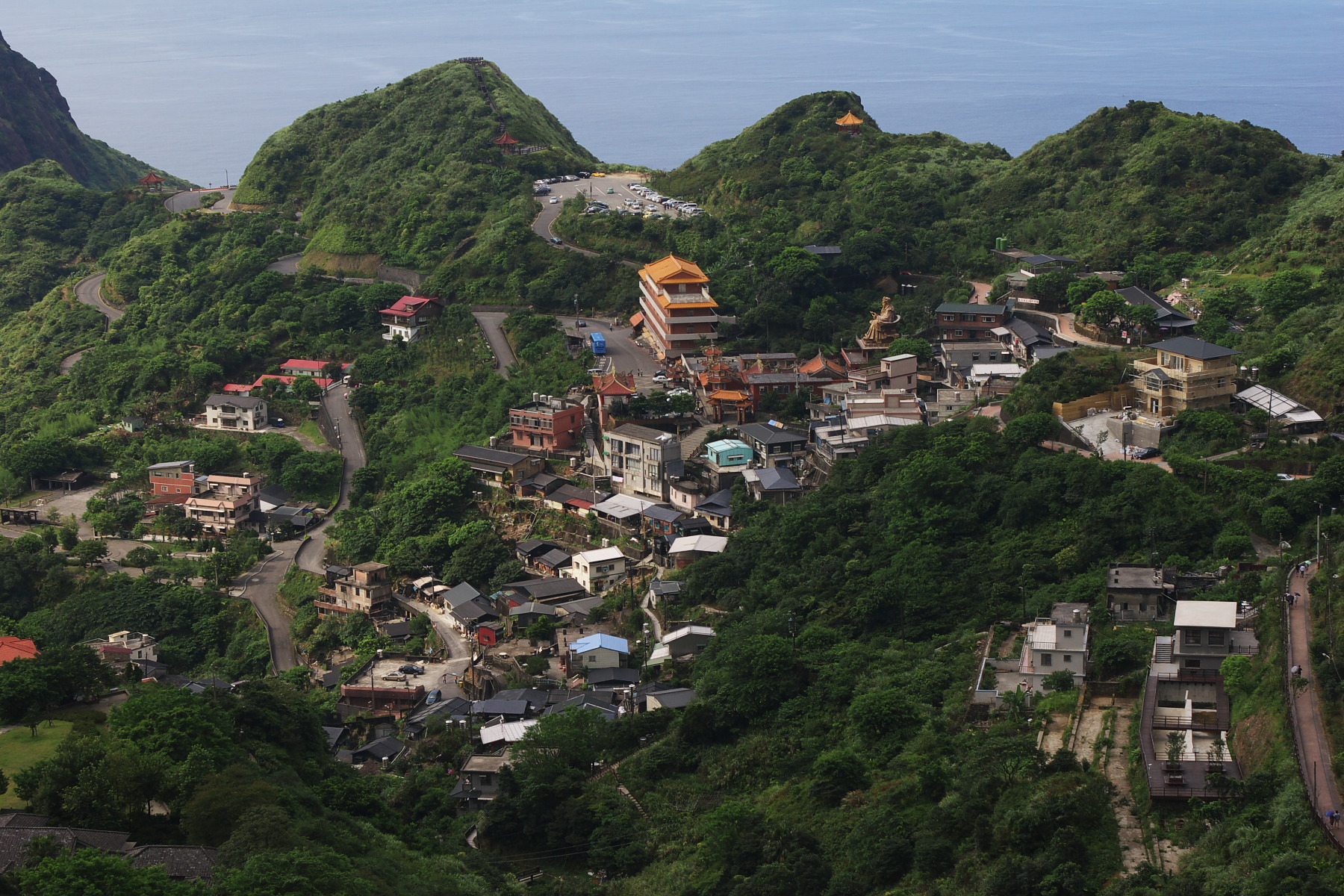
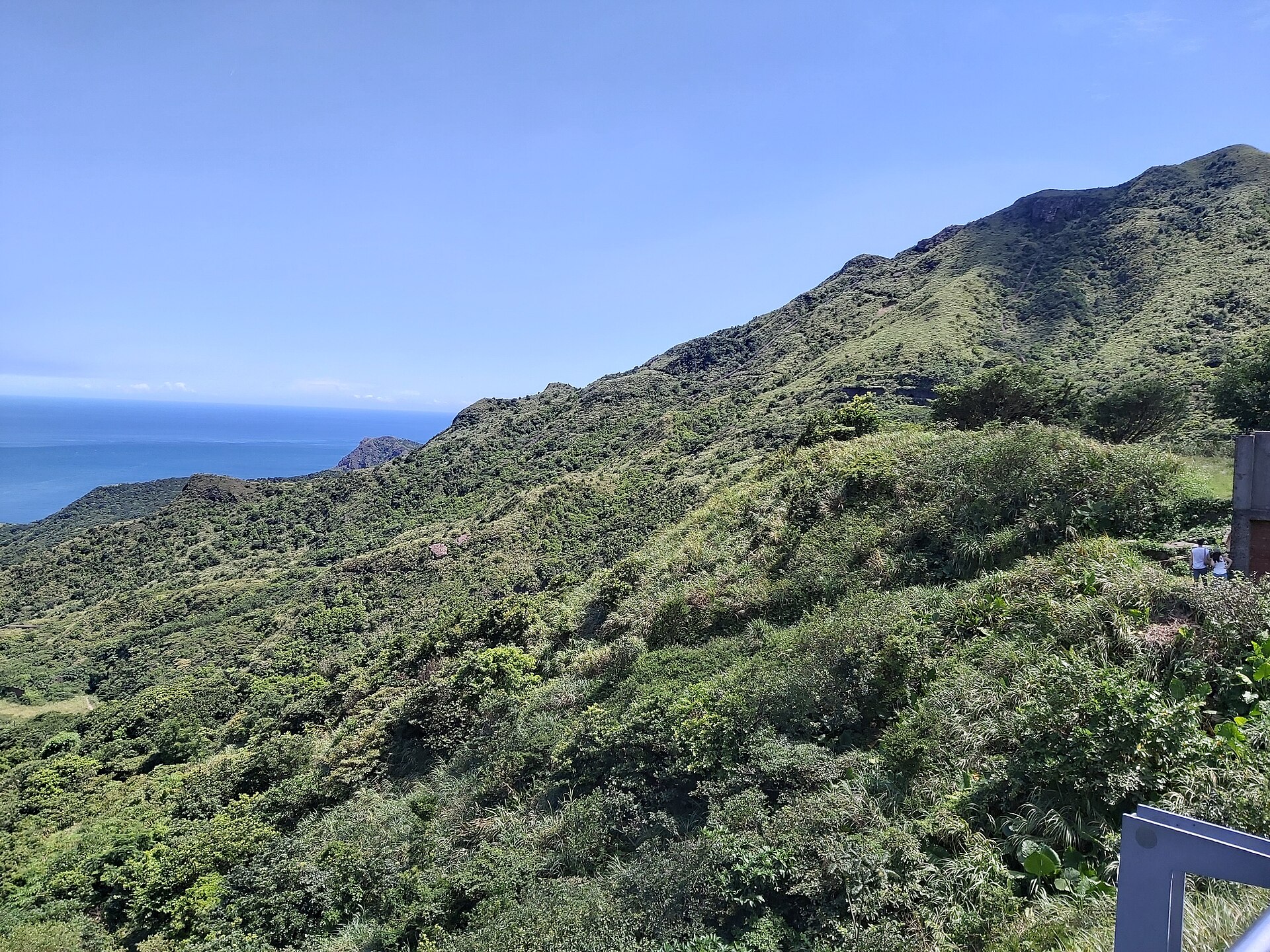
One ridge from Jiufen's lantern crowds, Jinguashi keeps the real story: Asia's richest gold mine turned open-air museum, a teapot-shaped peak over the Pacific, a waterfall running ochre with minerals, and a sea permanently split in two colors. This is the quiet half of Taiwan's gold coast, and the better one.
Jinguashi's relics aren't fenced off, they're the landscape. The Gold Museum district strings together mine tunnels, Japanese-era dormitories and rail tracks; above them, trails climb to shrine ruins and the teapot crag; below, the minerals keep painting waterfall and sea.
MUSEUM CLOSED MONDAYS (TYPICALLY) · TOUCH THE 220 KG GOLD BRICK · WEAR REAL SHOES FOR THE TRAILS
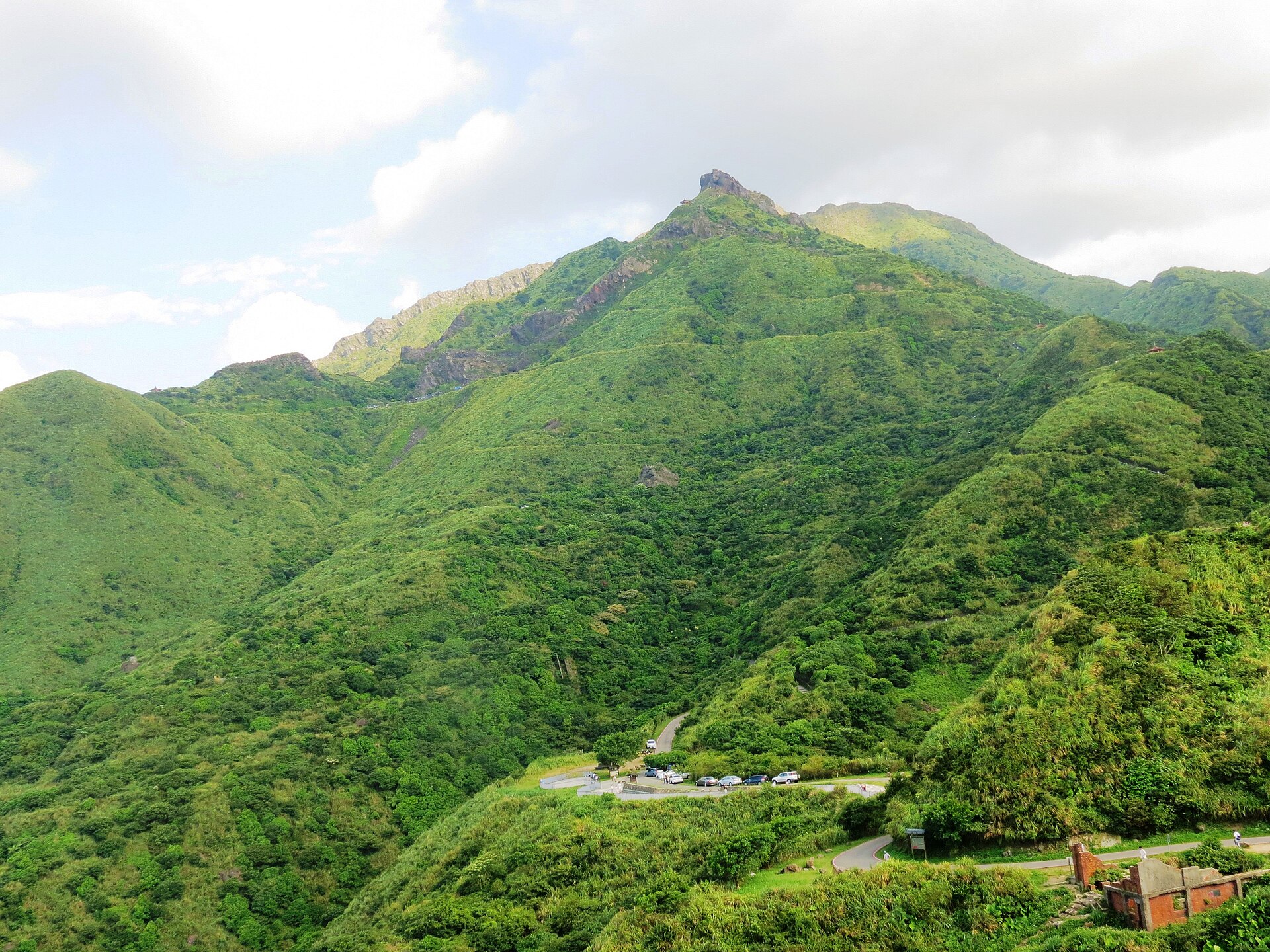
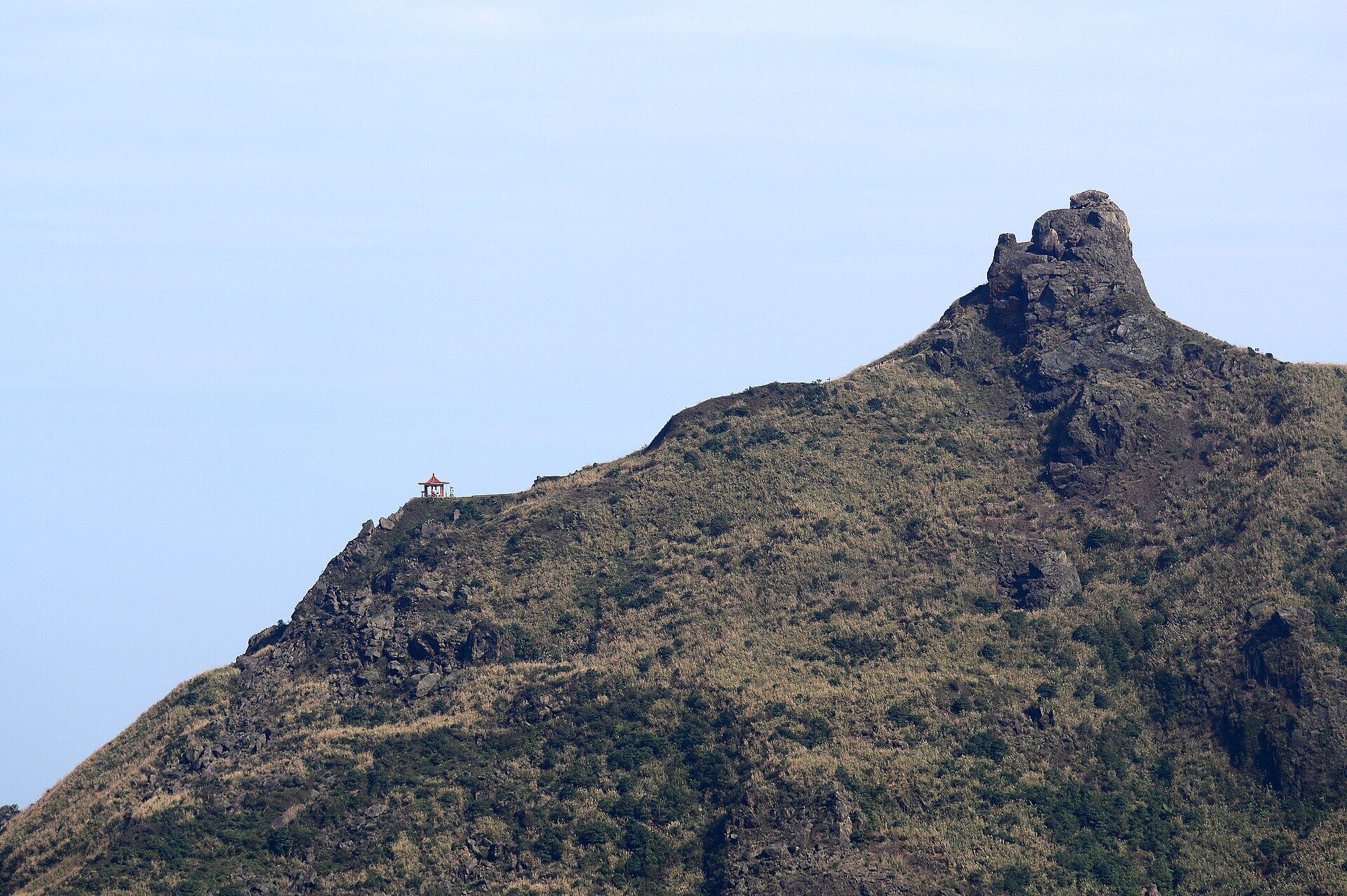
Stone steps to the teapot-shaped crag, the Pacific filling half the view and the mining coast the other. The final scramble through the "spout" is optional, hands-on and worth it.
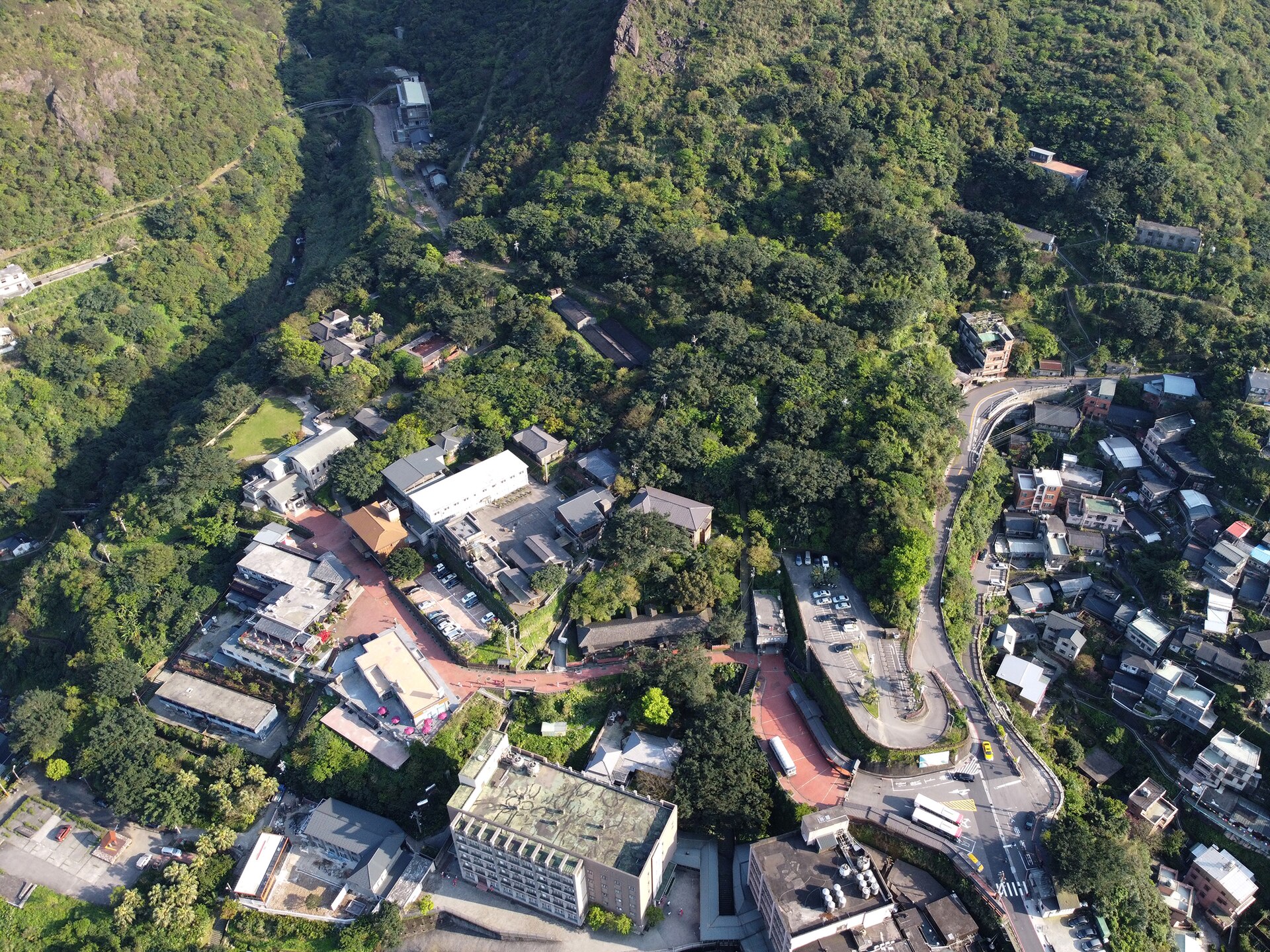
Walk into the Benshan Fifth Tunnel with helmet on, then try to lift the 220 kg gold brick, everyone does, nobody can.
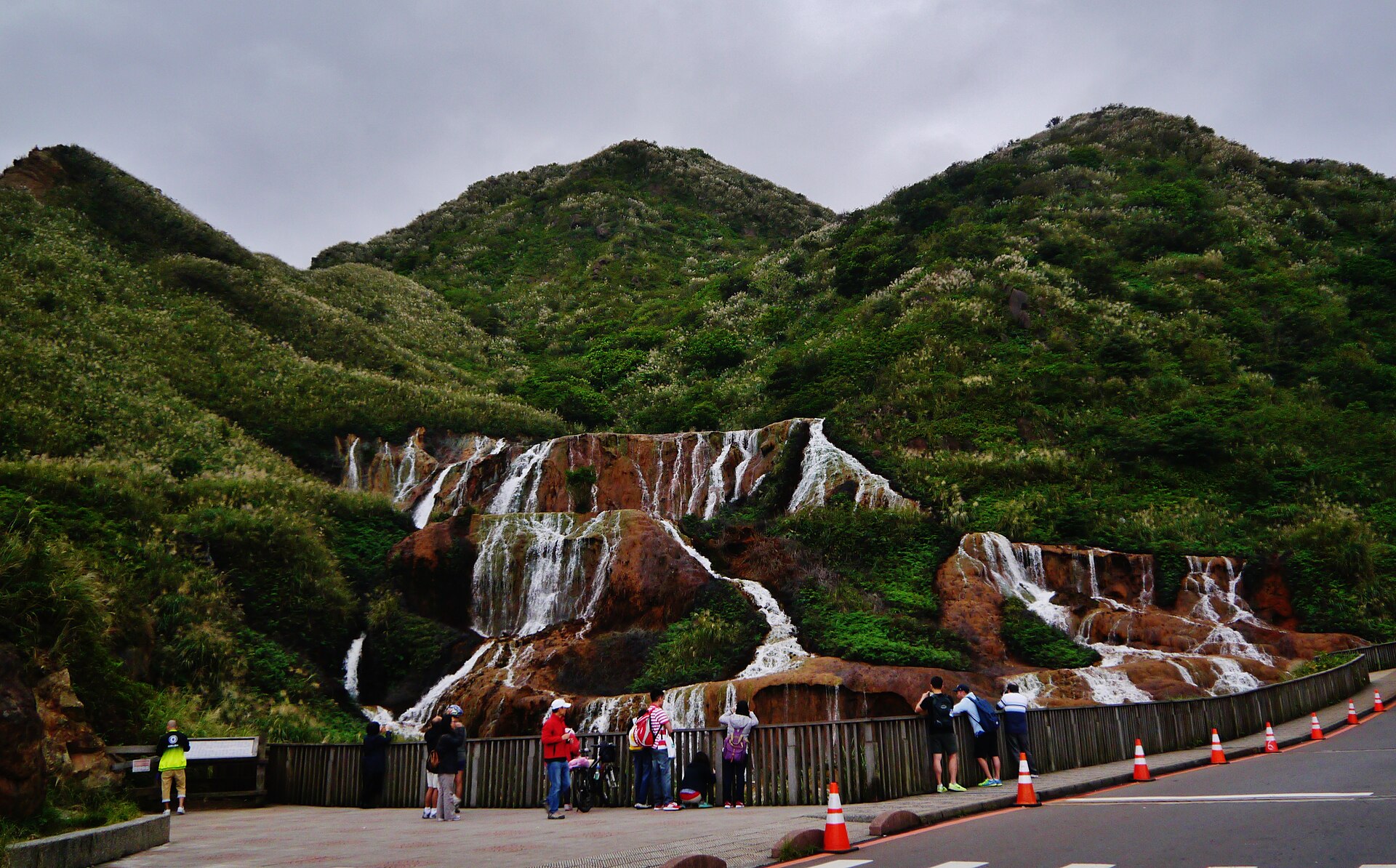
Mineral runoff gilds every ledge of this roadside cascade, no filter involved, just pyrite and iron doing their slow work.
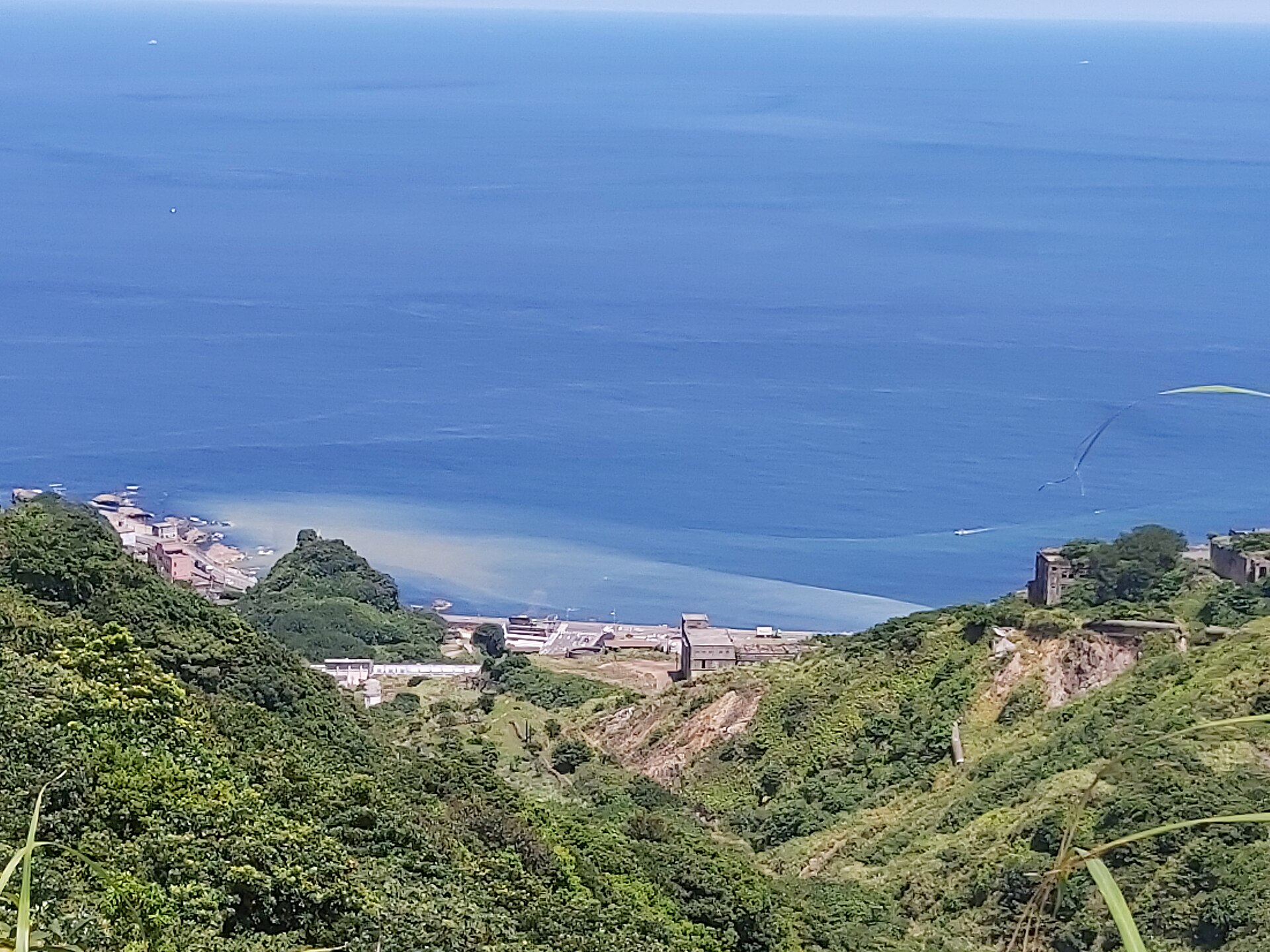
Ochre meets deep blue in a hard line offshore, the bay's permanent two-tone signature, best from the coast-road viewpoints.
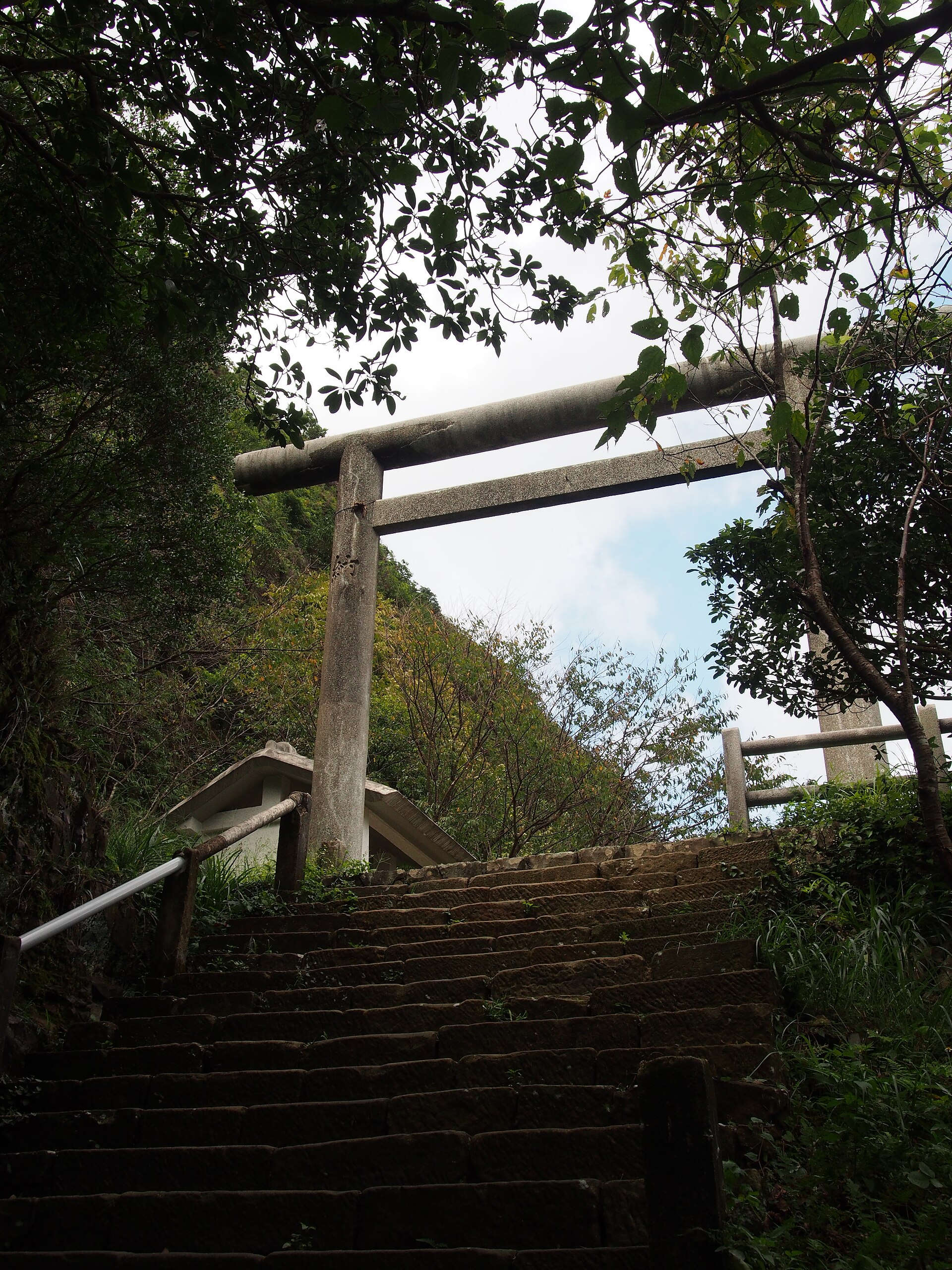
Two torii and a flight of mossy steps are all that remain of the mine's Shinto shrine, fifteen minutes up, a century back.
Jinguashi and Jiufen share a mountain and a bus line but not a rhythm: Jiufen peaks mid-afternoon, Jinguashi never really crowds. The winning order, museum and hike by day, Jiufen's lantern stairs at dusk, is detailed in our day-trip guide.
Train to Ruifang, then bus 788/825/827 up the mountain. Direct buses 965 and 1062 also run from the city. EasyCard covers everything.
Do the quiet valley while the coaches besiege Jiufen; arrive at the lantern stairs as the groups leave. The mountain rewards contrarians.
The northeast coast catches every front: hot sun and sideways mist can share an afternoon. The gloom photographs beautifully, Jiufen's lanterns exist because of it.
Jinguashi's gold built fortunes and took lives. The Japanese-era mine ran on harsh labour, and during WWII the adjacent Kinkaseki camp held Allied prisoners of war who worked the copper tunnels in brutal conditions, a memorial above the valley honours them. The museum district tells these stories plainly; visiting them is part of understanding the beautiful ruins.
The mines closed in the 1980s; the mountain's second life as an ecomuseum began in 2004. What you walk through is not a theme park, it is a community's memory, kept open.
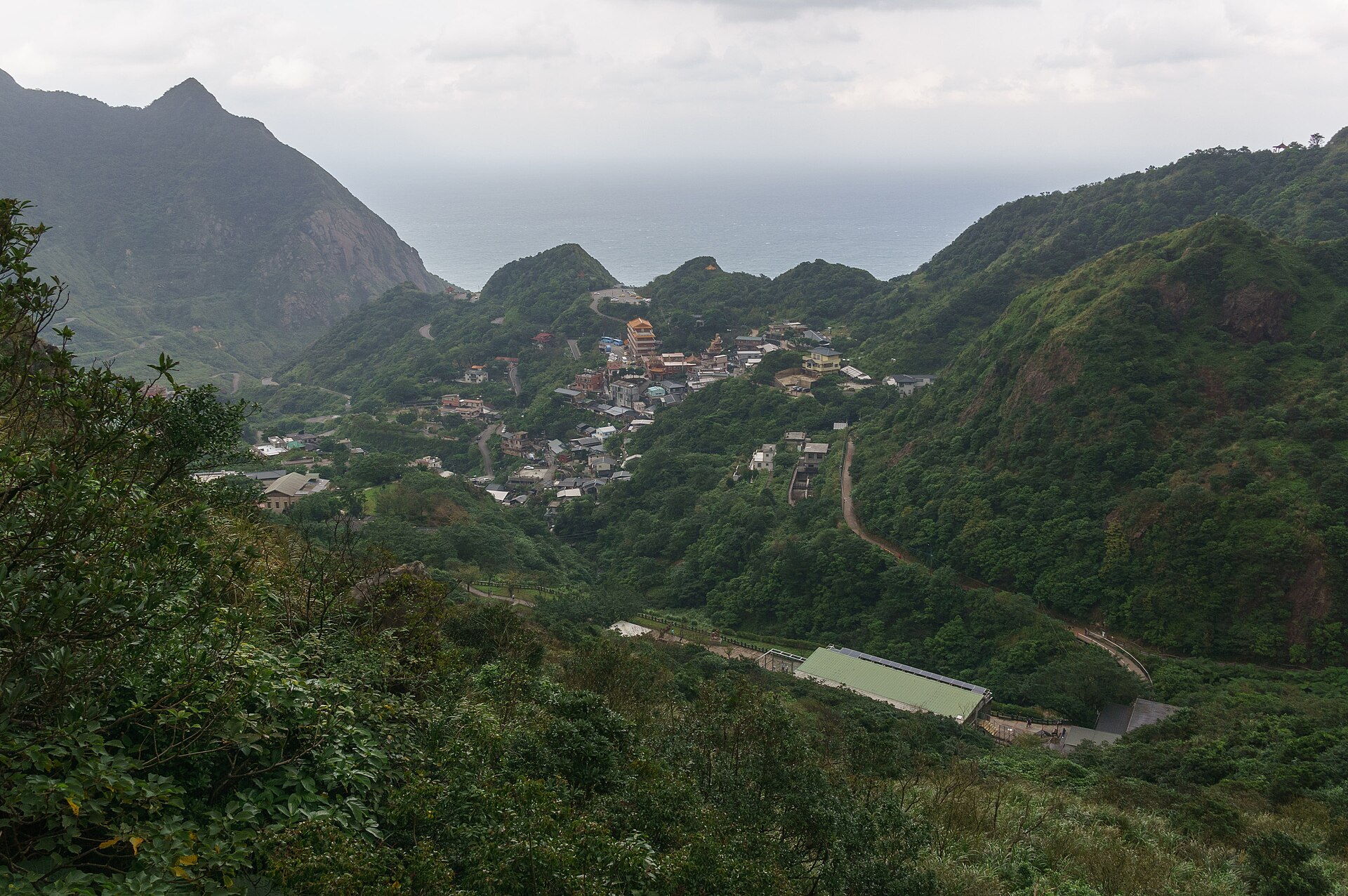
Dormitories, crumbled smelters, rails to nowhere: the valley reads like a stone archive, and the interpretation boards read like its index.
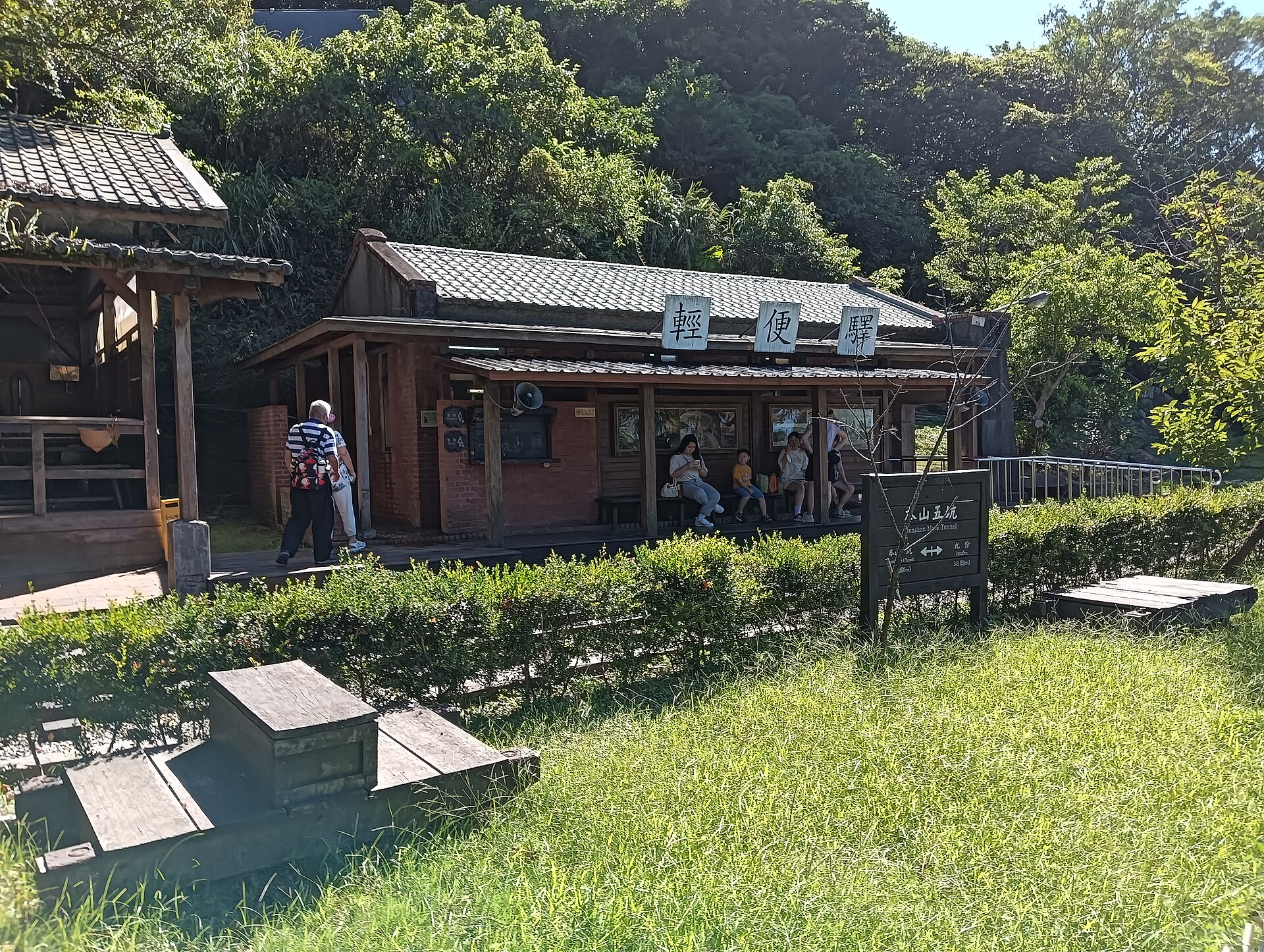
Carts once rolled gold ore down these tracks to the smelters at Shuinandong, follow them on foot for the coast views.
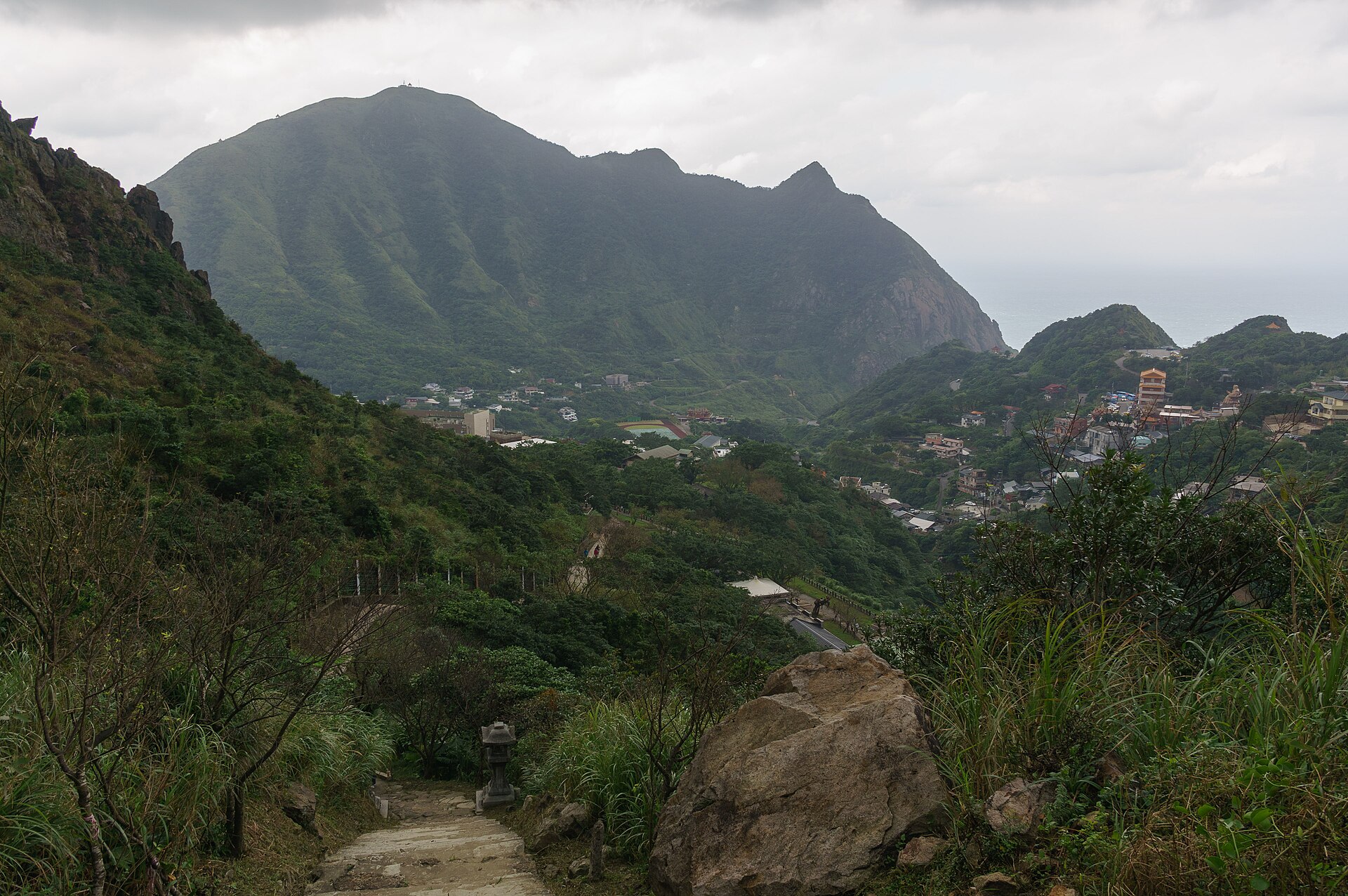
Stay for the hour when the valley goes amber and Keelung's ships blink offshore, then ride two stops to Jiufen's lanterns.
Jiufen's guesthouses put the famous stairways outside your door at 06:30, empty. Taipei keeps the full city toolkit and makes the mountain an easy day return. Either way, book Jiufen weekends early, Taiwanese travellers love it too.
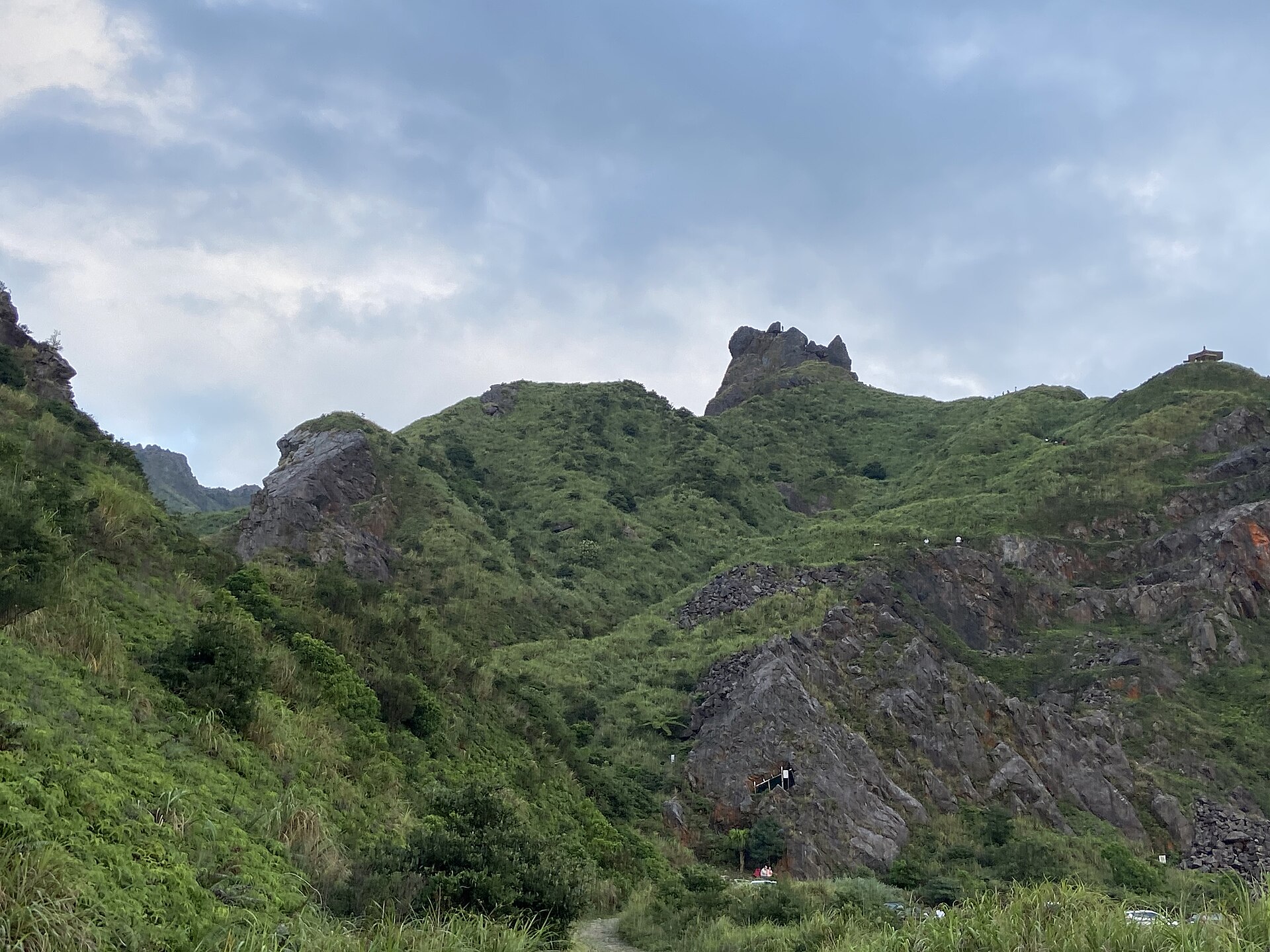
Museum, teapot, waterfall, lanterns: the contrarian timetable that beats the coaches at every stop.
The POW camp in the beautiful valley: what happened here, and how to visit the memorial with respect.
Thirteen-level ruins, the Yin-Yang viewpoints and the ore-cart paths down to the sea.
A former gold-mining settlement turned ecomuseum district, one valley from Jiufen, the quiet half of Taiwan's gold coast.
Train to Ruifang (40-50 min) + bus up the mountain (15-20 min, via Jiufen), or direct buses 965/1062. EasyCard works throughout.
About an hour of stone steps; the final scramble into the crag is optional. Weather shifts fast, carry a layer.
The permanently two-colored bay below the old mines, mineral runoff keeps ochre and blue meeting in a sharp offshore line.
Both: Jinguashi by day, Jiufen at dusk when the lanterns light and the groups leave. Overnighting in Jiufen earns you its stairs at dawn.
Yes for the classics (museum, hike, waterfall, Jiufen evening). Add a night for the Shuinandong coast walks and a mist-free second chance at the views.